
Property Manager vs Self-Management in Smoky Mountains: Fee Comparison
Choosing between a property manager and self-management is one of the biggest decisions for Smoky Mountains vacation rental owners. This article compares typical property manager fees (20%–50%) with the real costs of managing your rental yourself, including setup, maintenance, marketing, and time.

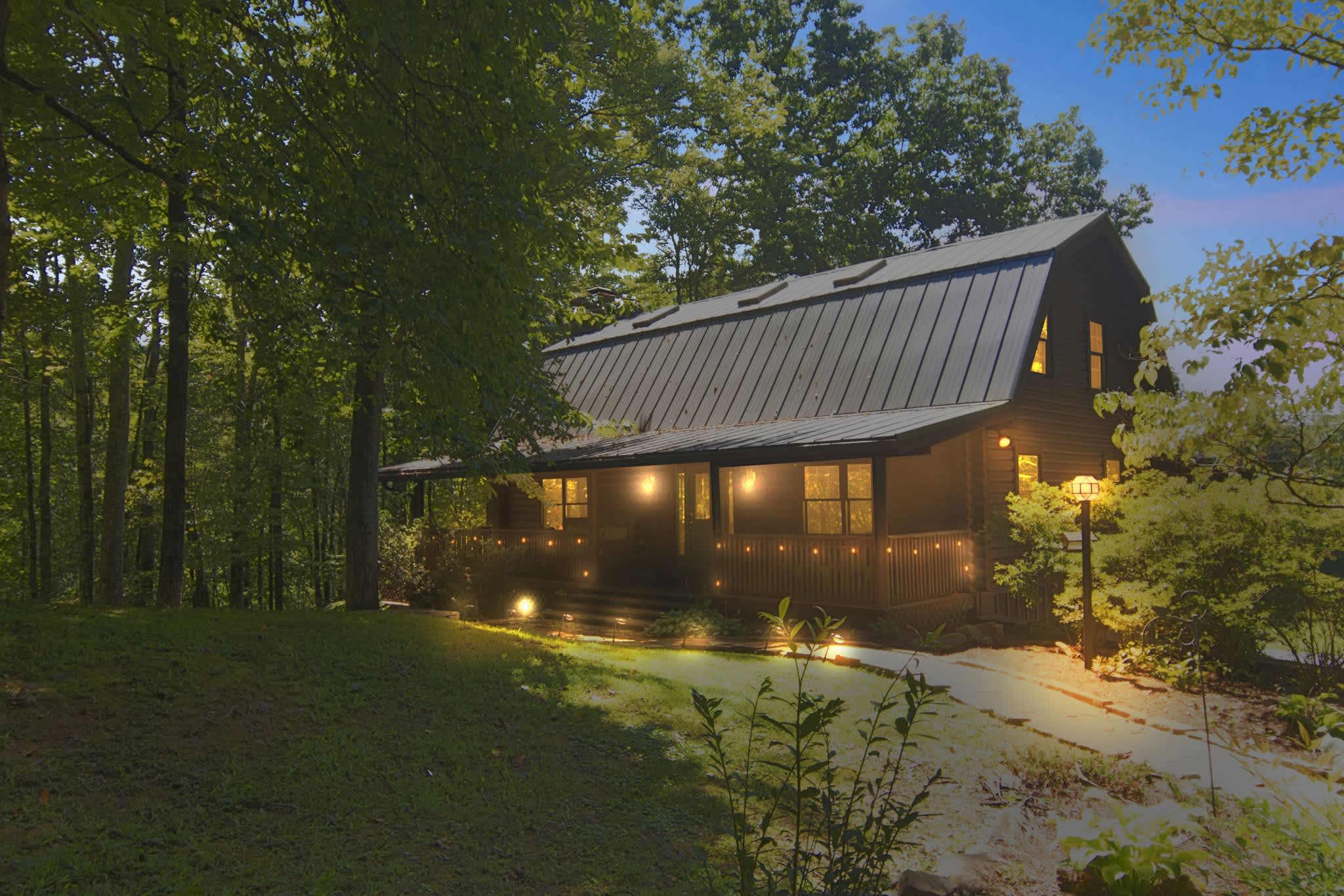
The real choice between self-management and professional vacation rental management in the Smoky Mountains is not simply “fee or no fee.” It is who will handle four different regulatory environments, guest support, taxes, cabin systems, wildfire and weather risks, cleaning quality, and emergencies every day of the year.
This guide was reviewed on August 1, 2026. Fees, tax rates, safety codes, and permit requirements can change. Confirm the property's physical address and governing jurisdiction before buying, advertising, or relying on a nearby cabin's operating history.
First identify the governing jurisdiction
“Smoky Mountains” and even a familiar postal city do not identify the regulator. A cabin may be inside Gatlinburg, Pigeon Forge, or Sevierville, or in unincorporated Sevier County. Each authority has its own permit, inspection, tax, and operating framework.
| Jurisdiction | Current owner starting point |
| --- | --- |
| Gatlinburg | Confirm zoning, then apply for a Tourist Residency Permit with fire/building inspection. |
| Pigeon Forge | Confirm zoning and property history; some residential-zone rental eligibility depends on grandfathering. |
| Sevierville | Obtain the annual operational permit and complete the required life-safety review. |
| Unincorporated Sevier County | Obtain the county's 12-month STR permit and required inspection. |
Do not publish a listing until the correct department confirms eligibility. Private subdivision, HOA, mortgage, and insurance terms can be stricter than local government approval.
What owners manage in each location
Gatlinburg
Gatlinburg's Tourist Residency Permit program begins with confirmation that zoning allows overnight rental. The application includes a fee and fire/building inspection. Gatlinburg also requires approved animal-resistant garbage containers for tourist-residency properties—a practical rule in bear country, not just a paperwork item.
Pigeon Forge
Pigeon Forge zoning requires careful property-level review. Rental eligibility in some residential areas can depend on property history and grandfathered status. Use the City's planning information and zoning map, then confirm the parcel with Community Development before making an investment or listing decision. Do not assume that every Pigeon Forge address or existing online listing qualifies.
Sevierville
Sevierville's Short-Term Rental program requires an annual operational permit, supporting documents, a fee, and a Fire Department life-safety inspection. The City separately publishes a 3% lodging tax on transient stays under 30 days and instructs operators to track marketplace and direct bookings separately. Verify current filing details on the City's Hospitality Tax page.
Unincorporated Sevier County
Sevier County has required a 12-month short-term-rental permit in unincorporated areas since January 1, 2024. Its permit program guidance covers inspection, occupancy, interconnected smoke alarms, evacuation plans, fire extinguishers, and other life-safety standards. County approval is not the same as a city permit.
The true cost of self-management
Self-management can work for an owner who lives nearby, knows the applicable rules, and can respond personally or through a dependable local network. Its costs include:
- listing, pricing, booking, and payment software;
- bookkeeping, licensing, tax reporting, and record retention;
- guest messages and emergency calls at all hours;
- cleaning coordination and post-turn quality inspections;
- hot-tub, septic, well, HVAC, fireplace, pest, trash, and bear-resistant systems;
- snow, ice, wind, storm, wildfire, and access response;
- professional photography, channel distribution, and reputation management;
- owner time spent managing vendors and resolving exceptions.
Compare net income after all these costs. A management percentage without a written scope is not meaningful, but neither is treating your time and risk as free.
What professional management should buy
A strong local manager should deliver measurable operating capacity:
- Jurisdiction control: the permit, inspection, tax, and renewal calendar matches the physical address.
- Local response: a named primary and backup responder can reach the cabin within the applicable time standard.
- Turnover quality: cleaning, hot-tub, damage, safety, and supply checks are documented.
- Mountain maintenance: local vendors cover HVAC, plumbing, septic, wells, fireplaces, appliances, access, and restoration.
- Guest compliance: parking, occupancy, noise, trash, bears, fireplaces, and emergency instructions are clear.
- Revenue discipline: rates respond to season, day of week, booking window, events, property condition, and comparable supply.
- Owner reporting: statements separate rent, taxes, fees, maintenance, and platform activity.
Cabin-specific operating checklist
Smoky Mountains cabins often combine complex systems with heavy guest use. Inspect and document:
- smoke and carbon-monoxide alarms, extinguishers, egress, and evacuation maps;
- fireplaces, chimneys, grills, propane, and outdoor fire features;
- hot tubs, decks, railings, stairs, exterior lighting, and steep drives;
- HVAC, plumbing, freeze protection, wells, and septic systems;
- roofs, gutters, drainage, trees, and storm damage;
- trash storage and bear-resistant containers;
- locks, internet, cell-service limitations, and backup guest access.
These are not occasional tasks. They are the operating system behind safe stays and durable reviews.
Questions to ask before hiring a manager
- Which jurisdiction governs my parcel, and who verified it?
- Who owns each permit, tax, inspection, and renewal task?
- What is the guaranteed response process after hours?
- Which services are included in the management fee?
- Are cleaning, hot tubs, maintenance coordination, linens, card fees, or marketing charged separately?
- How often is the property inspected beyond the cleaner's turnover?
- How are platform-collected and direct-booking taxes reconciled?
- Can I see a sample owner statement and maintenance approval workflow?
Our Smoky Mountains vacation rental management services are built around local guest support, cabin care, marketing, and owner visibility. Contact the local team or request a rental evaluation for a property-specific comparison.
Which option is right for you?
Choose self-management when you have time, local coverage, regulatory confidence, and the desire to own every operational detail. Choose professional management when dependable response, vendor depth, compliance tracking, or your own time is worth more than the fee.
Whichever model you select, compare it using the same scorecard: true net income, response time, property condition, guest outcomes, compliance accuracy, and owner workload.
This article provides general information, not legal or tax advice. Verify current rules, rates, fees, and property eligibility with the relevant city or county and qualified advisers.
Ready for full-service management?
Talk to Grand Welcome Great Smoky Mountains