
Vacation Rental Manager vs DIY Hosting: What's the Difference?
Compare professional vacation rental management with DIY hosting in the Smoky Mountains, including costs, workload, guest support, maintenance, and revenue strategy.


Are you deciding between managing your rental property yourself or hiring a vacation rental manager? We get it. Running a rental property can be profitable, but it takes a lot of time and skill. In this article, we'll look at the main differences between doing it yourself and hiring a pro.

By looking at the good and bad of each option, you'll know what's best for you. We'll cover important topics like guest service and money management. This will help you see what's best for your rental business.
Key Takeaways
- Understand the role of a vacation rental manager
- Learn the benefits and drawbacks of DIY hosting
- Discover how to choose between managing your property yourself or hiring a professional
- Explore the key services offered by vacation rental managers
- Gain insights into making an informed decision for your rental business
Understanding Vacation Rental Management
To run a successful vacation rental, knowing the role of a property manager is key. Vacation rental management covers many aspects of a rental property. It ensures the property runs smoothly and makes money.
Definition of a Property Manager
A property manager is someone or a company that takes care of a vacation rental every day. They manage bookings, talk to guests, keep the property in good shape, and follow local rules.
Roles and Responsibilities
A property manager has many important tasks. These tasks help a vacation rental business succeed. Some main duties include:
- Managing bookings and calendars
- Handling guest communication and inquiries
- Coordinating cleaning and maintenance
- Optimizing pricing and listings
- Ensuring compliance with local laws and regulations
By doing these tasks, a property manager can greatly reduce the owner's work. This lets the owner focus on other parts of their business.
Benefits of Hiring a Manager
Hiring a professional property manager can greatly benefit your vacation rental business. Some main advantages are:
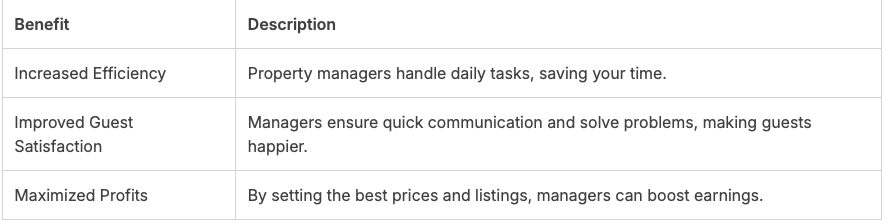
Understanding the role and benefits of a vacation rental manager helps property owners decide. They can choose to hire a manager or manage their properties themselves.
The DIY Hosting Approach
For those who want to be hands-on with their vacation rental, DIY hosting is a good choice. It means you manage your property yourself. You handle everything from talking to guests to keeping the place in order.
What Is DIY Hosting?
DIY hosting means you manage your vacation rental by yourself. You list your property, book guests, talk to them, and keep the place up. It's a hands-on way to run your rental.
Choosing DIY hosting gives you full control over your rental. You make decisions that affect your income. But, you'll have to do all the work of managing a rental property.
Key Responsibilities of DIY Hosts
DIY hosts have a lot of work to do. Some key tasks include:
- Creating and managing your rental listing to attract potential guests
- Handling guest inquiries and booking requests in a timely manner
- Coordinating check-ins and check-outs, ensuring a smooth experience for your guests
- Managing cleaning and maintenance to keep your property in top condition
- Handling guest issues or complaints that may arise during their stay
These tasks take a lot of time and effort, especially when it's busy.
Pros and Cons of Going Solo
DIY hosting has its benefits. Cost savings are a big plus, as you avoid management fees. You also have complete control over your property.
But, there are downsides too. Managing a rental can be time-consuming, taking away from other things you want to do. Also, dealing with guest problems or maintenance can be stressful and might keep you busy 24/7.
To succeed with DIY hosting, think carefully about the pros and cons. Make sure you have the time, resources, and know-how to manage your rental well.
Cost Comparison: Managers vs. DIY Hosting
Choosing between a property manager and DIY hosting has big financial implications. It's key to understand the costs of each option. This helps you make a smart choice for your vacation rental.
Breakdown of Fees for Property Managers
Property managers charge a percentage of your rental income, from 20% to 50%. This fee includes marketing, guest communication, and maintenance. Here's a look at typical fees:
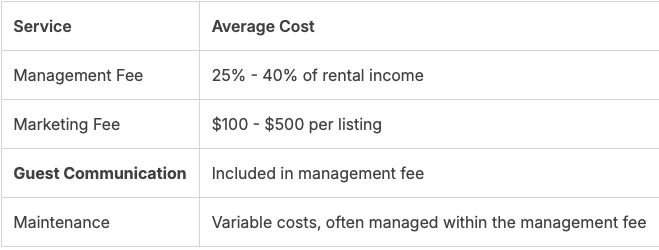
Industry expert says,
"The key to successful property management is not just about minimizing costs, but maximizing the return on investment through effective marketing and guest satisfaction."
This shows why a property manager's value is important.
Potential Savings with DIY Hosting
Managing your rental yourself can save on management fees. But, remember the value of your time and the risk of mistakes. DIY hosting can be cost-effective if you're ready to take on the tasks.
Hidden Costs of Self-Management
DIY hosting might seem cheap at first, but there are hidden costs. These include your time, potential losses from damages, and marketing costs. It's crucial to factor these costs into your decision-making process to ensure you're making the most financially sound choice.
In conclusion, when comparing property manager costs to DIY hosting, consider all costs. Understanding these factors helps you make a choice that fits your financial goals.
Time Commitment: Manager vs. Self-Management
Choosing between hiring a property manager and managing your rental yourself comes down to time. Running a vacation rental is more than just setting up a place for guests. It involves many tasks that take up a lot of time and effort.
Time Requirements for Property Managers
Property managers do a lot, like marketing, talking to guests, and keeping the place clean. The time they spend can change based on the property size and how often it's booked. Generally, they spend 5-10 hours per week on one property. This includes talking to guests, arranging cleaning, and making sure the place is ready for new guests.
Time Investment for DIY Hosts
DIY hosts do all these tasks themselves. They often spend 10-20 hours per week or more, depending on how often they book and their experience. They handle guest questions, manage bookings, clean and fix things, and solve any guest problems.
Balancing Your Time Efficiently
Whether you manage your property yourself or hire someone, managing your time well is key. DIY hosts might use software to make tasks easier and save time. Those who hire a manager should think about how much time they save and how they can use it better.
In the end, it's about how much time you can dedicate to your vacation rental. Knowing how much time both managers and DIY hosts need helps you decide what's best for you.
Marketing Strategies: Professional vs. DIY
Marketing is key for any vacation rental's success. Both property managers and DIY hosts use different tactics to draw in guests and fill rooms.
Professional Marketing Techniques
Property managers use top-notch marketing to showcase properties. Some of these include:
- High-quality photography: They invest in professional photos to show off the property's best sides.
- Targeted advertising: They use data to reach guests on Google Ads and social media.
- SEO optimization: They make sure listings show up in searches by using the right keywords.
These methods help create a strong online presence and attract more guests.
DIY Marketing Techniques
DIY hosts can also market their properties without professional help. Some effective DIY strategies include:
- Social media engagement: They build a community and interact with potential guests on Instagram and Facebook.
- Optimizing listings: They keep their listings complete, up-to-date, and search-friendly on platforms like Airbnb.
- Email marketing: They build an email list and send targeted promotions to past guests and subscribers.
DIY hosts can effectively market their properties and draw in guests using these strategies.
Effectiveness of Different Strategies
The success of marketing strategies depends on several factors. Key considerations include:
- Understanding your audience: Tailor your marketing to appeal to your ideal guest demographic.
- Monitoring and adjusting: Keep evaluating your marketing strategies and make changes as needed.
- Combining approaches: Mix professional and DIY marketing techniques for the best results.
Knowing what works best for your property helps you create a marketing plan that boosts occupancy and revenue.
Guest Communication: Manager vs. Self
In the world of vacation rentals, good guest communication is essential. It makes sure everyone has a great time. You can either hire a property manager or do it yourself. How you talk to guests can really affect your property's success.
The Importance of Timely Communication
Quick communication is key to solving guest problems and making their stay better. Responding fast to guest messages shows you care. Guests like knowing their issues are being fixed quickly.
Good communication means being clear and easy to understand. Don't use hard words that might confuse guests. Keep your messages simple and direct.
How Property Managers Handle Inquiries
Property managers are experts at quick and clear communication. They have systems to handle guest questions fast and well. This includes:
- Automated systems to say they got the guest's message
- Teams ready to talk to guests
- Standard messages to keep things consistent
With their help, guests get a better experience.
Managing Guest Relations as a DIY Host
As a DIY host, you need to put in a lot of effort to manage guest relations. You must be quick to answer guest questions and ready to solve any problems. Here are some tips to help you:
- Be quick to respond: Answer guest questions fast.
- Be clear: Use simple language in your messages.
- Be ready: Think about common questions and have answers ready.
By doing these things, you can make your guests happy and improve your property's reputation.
Maintenance and Property Care
Keeping a vacation rental property in good shape is key. It makes sure the property looks great and guests have a good time. This leads to happy guests and more bookings.
Role of a Manager in Maintenance
A property manager is very important. They handle repairs, keep the place clean, and fix any guest problems. They have a list of trusted contractors to fix things fast. This keeps the property ready for guests.
DIY Maintenance Tasks and Challenges
For those who do it themselves, maintenance can be tough. It includes cleaning, laundry, and fixing big problems like plumbing. DIY hosts need to stay ahead by checking the property often. This way, they can fix small issues before they get big.
- Regular cleaning and sanitizing of all areas
- Prompt response to guest reports of maintenance issues
- Scheduling regular maintenance checks on appliances and fixtures
Ensuring Quality Property Care
It doesn't matter if you manage the property yourself or hire someone. What's important is keeping it in top shape. This means the property looks good and feels welcoming. Keeping things updated and modern makes guests happy.
By focusing on maintenance, you can make guests happier. This leads to better reviews and more bookings. Whether you do it yourself or hire someone, keeping up with maintenance is crucial for success.
Booking Management: Professional Support vs. Self
Booking management is key in the vacation rental world. It affects both hosts and guests. Good booking management means properties are filled well and guests have a smooth stay. We'll look at the pros and cons of using a pro versus doing it yourself.
How Managers Handle Bookings
Property managers use advanced systems for booking. These include:
- Automated booking calendars that sync with many platforms.
- Real-time updates to avoid double bookings.
- Tools to change prices based on demand.
Tools for DIY Booking Management
If you manage bookings yourself, there are tools for that. These include:
- Channel managers for syncing listings.
- Booking software with automated messages and payments.
- Spreadsheets for tracking bookings manually.
These tools work well but need a lot of time and tech skills.
Reducing Overlaps and Gaps
One big challenge is avoiding empty days. Managers solve this by:
- Keeping calendars up to date.
- Setting minimum stays in slow seasons.
- Using revenue management strategies for better pricing.
DIY hosts need to watch closely and adjust plans often.
In summary, both pros and DIY hosts can manage bookings well. But, their methods and tools are quite different. Knowing these differences helps you choose the best option for your rental business.
Legal and Regulatory Considerations
The vacation rental industry faces many legal and regulatory rules. Hosts must follow these to avoid legal problems and run smoothly. It's key to keep up with these rules as the industry grows.
Understanding Local Regulations
Local laws differ a lot, so hosts need to know the specific rules in their area. These laws cover things like:
- Zoning laws that say where vacation rentals can be
- Health and safety rules that properties must follow
- Tax laws that require hosts to collect and pay taxes on rental income
Following local laws is more than just avoiding fines. It's about being a good neighbor and community member. By knowing and following these laws, hosts can keep good relations with local authorities and neighbors.
How Managers Ensure Compliance
Property managers are key in making sure laws are followed. They:
- Keep up with changes in laws
- Make policies and procedures to follow laws
- Do regular checks to find and fix any problems
With their knowledge and tools, property managers can lower the risk of breaking laws. This protects the property owner and keeps the vacation rental community strong.
Navigating Legal Challenges as a DIY Host
For DIY hosts, dealing with legal issues can be tough. But by:
- Learning about the laws and rules
- Using tools and resources for vacation rental owners
- Getting professional advice when needed
DIY hosts can handle their legal duties well. Joining local vacation rental groups is also helpful. They offer support and tips for dealing with legal issues.
Whether you manage your rental yourself or hire a manager, knowing and following the law is crucial for success.
Guest Experience: Enhanced Support vs. Personal Touch
Creating a positive guest experience is key for vacation rental owners. They must choose between a property manager's support and the personal touch of hosting themselves. The guest experience covers everything from booking to check-out and beyond.
Features of the Manager Experience
Property managers offer professionalism and expertise. They quickly answer guest inquiries, giving guests all the info they need. Professional property management includes:
- 24/7 Guest Support: Guests get help anytime.
- Personalized Welcome: Managers give a welcome package, making the stay better.
- Local Knowledge: They share tips on local spots, making the experience richer.
Crafting Unique Experiences as a DIY Host
DIY hosts can add a personal touch. By being hands-on, they create unique and memorable stays. DIY hosting offers:
- Customized Touches: Hosts can make the rental reflect their style and local culture.
- Direct Communication: DIY hosts build a connection with guests, making them feel at home.
- Flexibility: Hosts can quickly meet guest needs, offering a more personalized experience.
Ensuring Positive Guest Feedback
It's important to get positive feedback, whether you manage yourself or hire a manager. To do this, focus on:
- Maintaining High-Quality Listings: Listings should be accurate and appealing.
- Providing Excellent Customer Service: Answer guest questions and solve problems fast.
- Continuously Improving: Use feedback to make the guest experience better.
Understanding the benefits of both property managers and DIY hosting helps owners make the best choice. This way, they can improve their guest experience.
When to Choose a Property Manager
As a property owner, knowing when to ask for help is key to making more money from your rental. Managing a rental property is complex. It involves talking to guests, keeping the place in good shape, and following the law.
Signs You May Need Help
If you're facing any of these challenges, it's time to think about hiring a property manager:
- Having trouble with guest questions and bookings
- Finding it hard to keep your property looking great
- Not sure about local laws and rules
- Feeling too stressed from managing the property
Property management companies can help with these problems. They take care of the daily tasks. They make sure your property is well-kept and follows the law.
Examples of Properties That Benefit from Management
Some properties need professional help more than others. This is because of their size, location, or the owner's skills. For example:
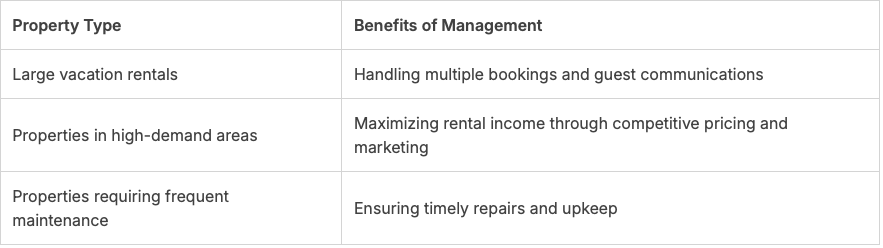
Factors Influencing Your Decision
When deciding if you need a property manager, think about these points:
- The size and complexity of your property
- Your availability and management skills
- The local market and competition
- The potential return on investment (ROI) from hiring a manager
By looking at these factors, you can decide if hiring a property manager is best for you. If you want to reduce stress and increase your rental income, professional management could be the answer.
Making the Right Choice for Your Situation
Deciding between hiring a vacation rental manager or doing it yourself is crucial. You need to think about your skills and what you have available. Also, consider how much time and effort managing your property will take.
Evaluating Your Capabilities
Understanding the details of managing a rental property is key. This includes marketing, talking to guests, and keeping the place in good shape. We must see if our strengths match these tasks.
Planning for the Future
Thinking about your long-term goals for your rental property is important. Do you want to grow your portfolio or keep things simple with one property? Your goals will help decide if you need a property manager or if you can handle it yourself.
By carefully looking at your situation and thinking about your future plans, you can make a smart choice. This choice will affect how well your rental property does.
FAQ
What does a vacation rental manager do?
A vacation rental manager takes care of a rental property every day. They manage bookings, talk to guests, and keep the property in good shape. This makes sure guests have a great time.
Should I hire a property manager for my vacation rental?
Hiring a property manager can be a good idea if you don't have time or know-how. They can make things run smoother, keep guests happy, and help you earn more.
What are the benefits of DIY hosting?
DIY hosting might save you money and let you control your property. But, it takes a lot of time and can be hard, especially if you're new.
How do property managers market vacation rentals?
Property managers use smart marketing. They take great photos, advertise well, and make sure listings are easy to find. This helps bring in guests and fill rooms.
What are the hidden costs of self-management?
Self-management can cost you time, money, and might lead to mistakes. You also need tools and software to manage well.
How do I ensure compliance with local regulations as a DIY host?
As a DIY host, you should learn about local laws, register your property, and keep up with changes. This helps you follow the rules.
What are the signs that I need to hire a property manager?
If you're finding it hard to manage your property, have low bookings, or aren't making enough money, it might be time to hire a manager.
How can I craft a unique experience for my guests as a DIY host?
To make your guests' stay special, personalize your property, offer great service, and provide amenities they'll love. This shows you care about their needs.
What are the key responsibilities of a DIY host?
DIY hosts handle bookings, talk to guests, keep the property up, and follow local rules. These tasks are crucial for a smooth stay.
How do property managers handle guest inquiries?
Property managers quickly and professionally answer guest questions. They respond to messages and solve any problems guests might have.
Ready for full-service management?
Talk to Grand Welcome Great Smoky Mountains